
‘Oh Freedom’
A Reason To Smile
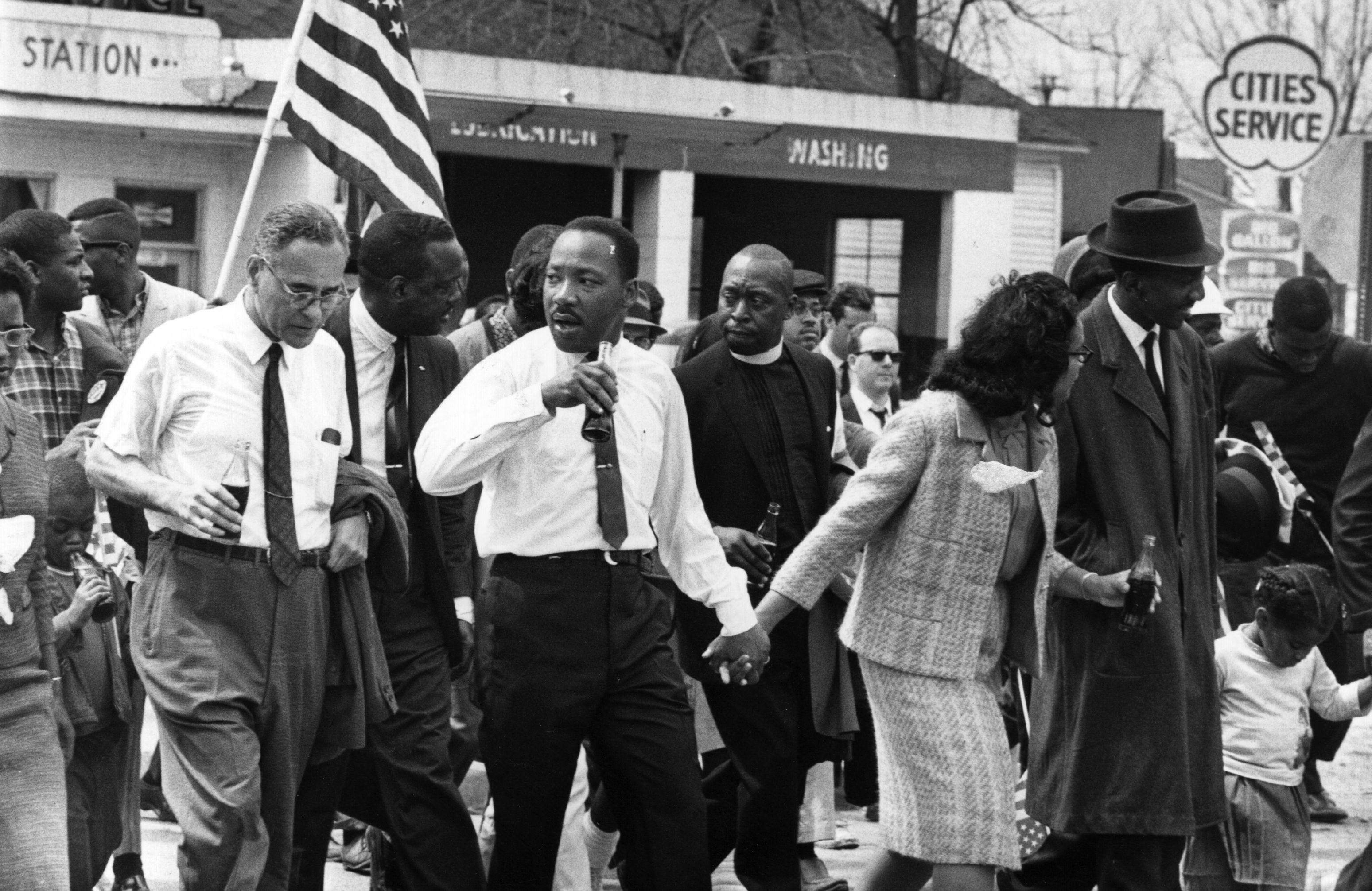
Alabama was the epicenter of the Civil Rights Movement in America in the early 1960s, and I am one of the fortunate few who can still write about it first hand. I covered the movement and its protests in many places, including Selma and Montgomery. The images of violence against nonviolent protesters are still seared in my memory. The sounds are there too. The sounds of protesters singing.
The memories are much on my mind as we mark the 60th anniversary of the historic march to Montgomery from Selma in 1965 that rightly has become recognized as a decisive turning point for the whole movement. There were many battles yet to be fought, and the fight against racial bias and segregation continues to this day. But with Selma the tide turned. The worst of the segregationists no longer had the upper hand.
It’s hard to believe it’s been 60 years since Dr. Martin Luther King Jr. and thousands of civil rights activists marched across Alabama protesting the blocking of Black Americans’ right to vote. Jim Crow laws, passed after the Civil War, disenfranchised most Black people throughout the American South.
Along the 54-mile highway between Selma and Montgomery, marchers sang African American spirituals. Spirituals, which were created by enslaved people, channeled messages of hope and resilience. These songs were adopted a century later by the freedom fighters as civil rights anthems.
The spiritual “Oh Freedom” could be heard from Selma to Montgomery. This a capella version, by The Golden Gospel Singers, is especially moving as it is paired with powerful images from the time.
A fascinating side note: In 1965, Carl Benkert traveled from his home in Michigan to Alabama to witness these historic moments. And with him, he carried an audio recorder, described as a bulky, battery-operated reel-to-reel machine. Benkert captured the sounds of the movement, especially the music, which was the basis for an audio documentary called “Freedom Songs, Selma, Alabama.” The quality of the audio is amazing, even haunting. You can listen to it here on Spotify, including “Oh Freedom.” Benkert later wrote, “Music was an essential element; music in song expressing hope and sorrow; music to pacify or excite; music with the power to engage the intelligence and even touch the spirit.”
I was not there for the march that day in 1965. By that time, I had been assigned to report for CBS News from overseas. As news of the great event reached me, the sights and sounds of other civil rights marches that I had covered came rushing back. They are never to be forgotten.
Let us hope that they are never forgotten by our country.
If you are able to, please support our team, which makes pieces like this possible.
No matter how you subscribe, I thank you for reading, listening, and watching.
Stay Steady,
Dan
I was in my junior year in high school when news of Selma came into practically every living room via the 6 o'clock news on television, anchored by Walter Cronkite or Huntley and Brinkley. The brutal response to this peaceful march is seared in my memory. For many sentient humans at the time, this was a turning point in their understanding for bigotry in the U.S. and their commitment to end it. Alas, there were many then, as there are now, who revel in violence directed at humans whom they don't see as themselves, and in the White House sits the grotesque embodiment of that hatred.
Thank you, Mr. Rather, for the memory. I grew up in a very small town in the deep south. I thank my mother every single day for showing me in her words and actions that color is just that - color. We lived in a small wood-frame house right beside what so many southerners called "the quarters". A slave name for where black people lived. There was a grocery store run by a really sweet old couple and mom would shop there, laughing and talking to the people that came and went. I was allowed to play outside of the store with the kids that hung around. I didn't know or understand about discrimination at that age. By the time the Civil Rights Movement came along, I am embarrassed to say that I was shocked there were people who hated blacks and felt they needed to be "put into their place"! Of course, I became active. I marched, I protested and watched as more and more people began to understand what I always knew, color is just that - color. Thank you, Dr. Martin Luther King, the freedom riders and the freedom fighters. You began to turn the tide on racism. Will we always be fighting it? Yes, because there will always be those who are afraid of those that are not "like" them. There will always be those who feel they are superior simply because the color of their skin is white and not black or brown. Fight them we must - always!