
Pardon Me?
Trump's abuse of the presidential pardon is undermining the rule of law
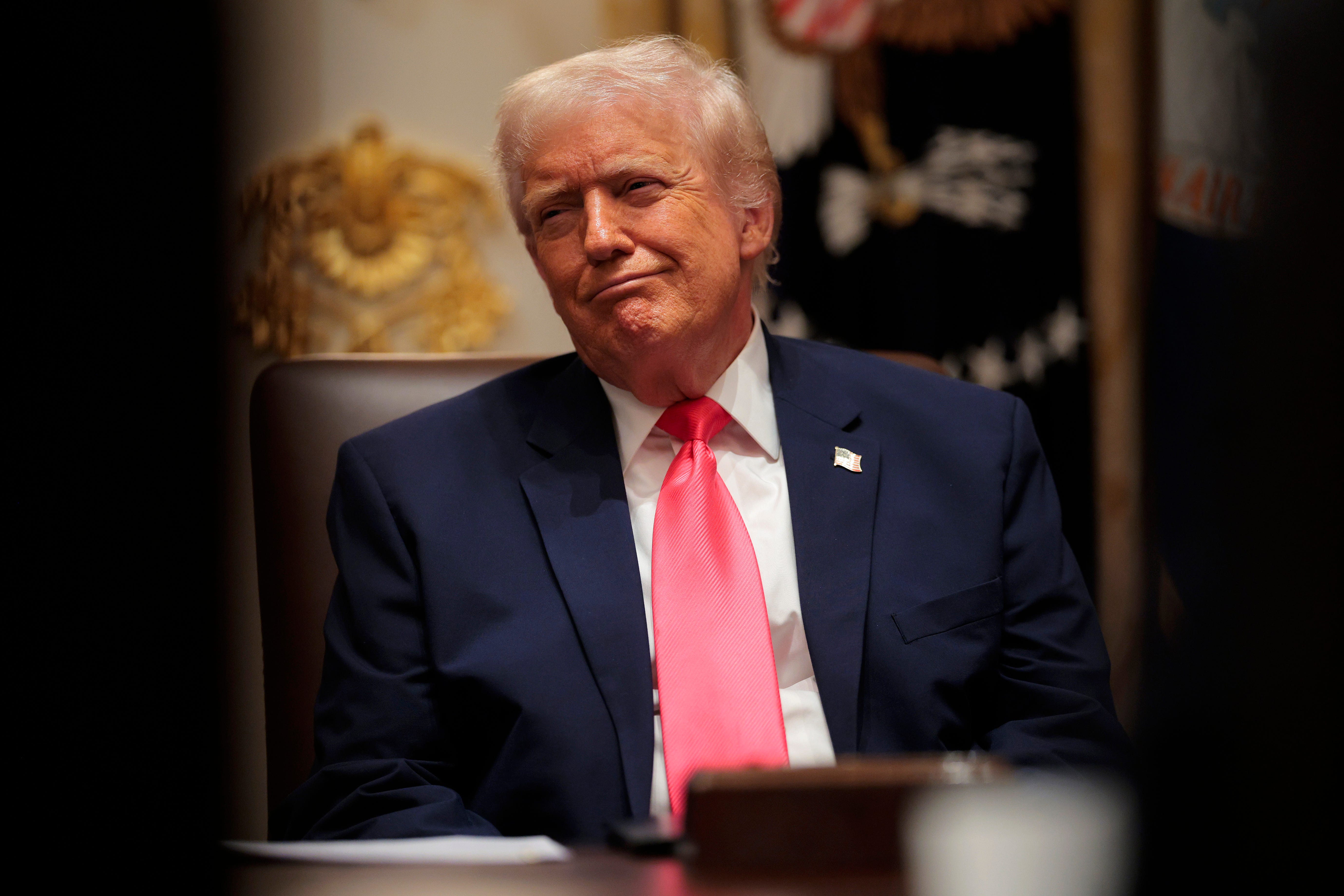
The 318 days of Donald Trump’s second term have been littered with one outrageous, norm-shattering act after another. The pardon of former Honduran president Juan Orlando Hernández is near the top of the list. And the record of other pardons is long and sickening.
Hernández, who walked out of prison on Tuesday, had been found guilty of trafficking hundreds of tons of cocaine to the United States and taking millions of dollars in bribes from some of the most notorious drug cartels. He had been sentenced to 45 years in prison.
Even more head-scratching, the pardon comes as the administration is arguing that its “war” with drug traffickers is justification for blowing up boats in the Caribbean Sea.
Trump’s pardon of Hernández is not a one-off, it is just the latest in a disturbing pattern of the president using his pardon power not as an act of mercy but one of calculated gain.
Trump is not judicious when it comes to whom he will pardon. He has been on a clemency tear, handing them out like candy, bestowing more pardons in 10 months than most presidents do during an entire term. Beneficiaries include violent criminals, sex offenders, drug traffickers, bribe takers, Ponzi schemers, and money launderers.
The framers gave the president only one unchecked power, the power to pardon, in Article II of the Constitution. The president can pardon anyone convicted of a federal crime, excluding impeachment.
Presidential clemency can be given in one of two ways: a commutation, which is a reduced sentence but doesn’t erase a conviction; or a pardon, which wipes the slate clean, no additional prison time, no restitution, and no record. Almost all of Trump’s acts of clemency have been pardons. This is significant because those he has pardoned owed more than $1.3 billion in restitution to victims and to the American people. That money now will never be paid.
Historically, the Department of Justice oversees the years-long pardon process, following a set of criteria: the person applying for clemency has to have been out of prison for five years. They also need to exhibit remorse, demonstrate good conduct, and pay any money owed.
These basic rules do not apply to any of Trump’s beneficiaries. Of the more than 1,600 Trump pardons, only 10 have gone through the DOJ’s pardon office. It’s not a stretch to believe Trump’s “process” is shorter. Hours? Perhaps days at most?
“All of the traditional rules and procedures pertaining to pardons have been thrown out the window. This administration appears to be working around the Justice Department rather than with the Justice Department to vet and review applications for pardons,” explained former DOJ pardon attorney Elizabeth Oyer on “60 Minutes.”
Oyer was fired from the Justice Department in March when she took issue with restoring gun rights to domestic abuser, actor, and Trump supporter Mel Gibson.
On Inauguration Day, Trump made good on his promise to pardon nearly everyone convicted of participating in the January 6 insurrection trying to overthrow the government, more than 1,500 of them. And it was a sign of how pardons would go during the second Trump term.
According to Axios, Trump was frustrated by the arduous pardon process. On January 20, he lost his patience and said, “F**k it. Release ‘em all.”
A major concern with skipping the DOJ’s standards and requirements is that those who get pardons will go on to commit more crimes. This may come as a shock to no one, but more than a dozen people to whom Trump granted pardons have been arrested again. Take these two:
Andrew Taake - assaulted a police officer with bear spray and a metal whip during the January 6 riots. Since his pardon, he has pled guilty to solicitation of a minor, but will not serve his three-year sentence because of prior time served for his now expunged January 6 conviction.
Edward Kelley - a January 6 rioter who has since been sentenced to life in prison for plotting to assassinate law enforcement officials who investigated his actions during the Capitol riots.
Trump claims his pardons are rebalancing the scales of justice after Biden tipped them. Yes, you read that right. Trump says Biden weaponized the DOJ, and he aims to right that wrong.
To that end, he pardoned loyal sycophants like Rudy Giuliani, who was going down for his efforts to overturn the 2020 election and disgraced former congressman George Santos, who defrauded contributors and was kicked out of the House. In an odd twist, he just pardoned former Democratic lawmaker Henry Cuellar of Texas. He claims Cuellar, indicted for bribery and conspiracy, was targeted by Biden for speaking out against his immigration policies.
He also pardoned Ross Ulbrict. Founder of a dark web marketplace, Ulbrict was sentenced to life in prison for dealing drugs and laundering money. “The scum that worked to convict him were some of the same lunatics who were involved in the modern-day weaponization of the government against me,” Trump posted on social media.
If you want a pardon, it helps to have deep pockets and the president’s ear. Paul Walczak’s mother attended a million-dollar-a-plate Trump fundraiser last April. Miraculously, he received a pardon within weeks.
Vocal Trump supporter Savannah Chrisley lobbied for the release of her parents, reality TV personalities Todd and Julie Chrisley. They were serving time for tax fraud and tax evasion. Savannah got word of the pardons on a call from Trump himself.
Some of the whys are even more transparent.
Trump pardoned Changpeng Zhao, a Chinese crypto billionaire who allowed his company, Binance, to be used for money laundering, including transactions that supported child sex trafficking, drug trafficking, and terrorism. His pardon was given amid extensive business dealings between Zhao and the Trump family’s crypto venture, World Liberty Financial. Remember, this is the guy about whom Trump said on “60 Minutes,” “I don’t know who he is.”
And now to the why of Trump’s pardon for former president Hernández. It took a few days, but The Wall Street Journal found a connection. Honduras is home to an autonomous city called Prospera, made possible by Hernández’s policies. The city is controlled by its founders, Trump supporters and Silicon Valley billionaires Peter Thiel and Marc Andreessen, among others. It enjoys a very low tax rate and no government interference or oversight.
The current Honduran government wants Prospera gone. Trump political advisor Roger Stone — himself a recipient of a presidential pardon — suggested that getting Hernández out of prison would help overthrow the current, more liberal Honduran administration and protect Prospera.
The Founding Fathers had statesmen like George Washington in mind when they decided presidents should be given pardon powers. It was assumed, no doubt, that the leader of the country would be an upstanding citizen who would keep watch and protect the people. The pardon was seen as a final check on the judiciary — one of our many checks and balances — that have been shredded by this president.
In the aftermath of the Trump presidency, so many things should all come under the heading “how do we stop this from ever happening again?” Pardon overreach chief among them.
Steady is free, but to support my team’s efforts to protect our democracy through the power of independent journalism, we’d appreciate it if you would consider joining as a paid subscriber. It keeps Steady sustainable and accessible for all.
No matter how you subscribe, I thank you for reading.
Stay Steady,
Dan
Disgusting... I could barely click the "like" button, but it's for your bringing the news, not the topic itself. So many disgusting perversions of law and order by this regime.
It’s time to do away with presidential pardons. And gerrymandering. And every other stupid thing we do.